
Blog · Article
Spinal stenosis: symptoms, treatment and how to stay active
First published January 2018 · Updated October 2026
Lumbar spinal stenosis is a narrowing of the spaces the nerves pass through in the lower spine. It develops slowly, mostly in older adults, and typically causes back pain and pain, heaviness or weakness in the legs when you stand or walk that eases when you sit. There is no cure, but most people manage it without surgery, with exercise, physical therapy, medication and, for some, epidural steroid injections.
Has your lower back been bothering you for weeks, months or even years? Do your legs hurt when you stand or walk? Have you been avoiding long outings because you know you will be on your feet? These can all be signs of spinal stenosis.
What is spinal stenosis?
Lumbar spinal stenosis develops over time and is most common in older adults. Your nerves, along with some blood vessels, run through the spinal canal and leave the spine through small openings called foramina. Stenosis means these spaces have narrowed. That can cause symptoms in the back and legs, including pain, tightness and even weakness. Symptoms are often felt when standing and walking and eased by sitting.
As with any long-standing lower back pain, the brain plays a big part in how pain is felt. That does not mean the pain is "in your head." It means there are things you can do to change it. Exercise can improve how well you function, and our physical therapists will explain and teach you the right exercises.
Can spinal stenosis be cured?
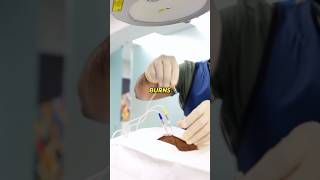
There is no cure for spinal stenosis, but there are treatments that relieve the symptoms. In this clip, one of our physicians explains to a patient why stenosis can be hard to treat: an epidural injection reduces swelling in the area, so it can help, but it does not open up the narrowed bony space.
- Medication. Over-the-counter anti-inflammatory medications can ease swelling and pain. If they are not enough, a pain management physician can prescribe stronger medication.
- Epidural steroid injections. An epidural steroid injection places a corticosteroid, usually with a local anesthetic, into the space around the irritated nerves. The anesthetic can bring quick relief, while the steroid takes longer to work by calming inflammation and taking pressure off the nerves. Relief can be temporary, and doctors limit how many injections you have in a year. Our physicians explain more in how an epidural injection treats back pain.
Exercise and physical therapy
A program of physical therapy and exercise is part of almost every spinal stenosis treatment plan. Exercise is not a cure, but it is important to stay as active as you can, so you do not lose strength and stamina from inactivity.
Spinal stenosis surgery vs. non-surgical treatment
At some point you may talk with a doctor about surgery for spinal stenosis. We prefer to look for ways to avoid surgery when less invasive treatments can work.
How do the results compare? In a well-known study that followed patients for 8 to 10 years (the Maine Lumbar Spine Study, published in Spine in 2005), people who had surgery and people treated without surgery had similar results for:
- Relief of lower back pain
- Improvement in their main symptom
- Satisfaction with their current state
The surgery group did somewhat better for:
- Leg pain
- Back-related function
What happens without any treatment? You might expect stenosis to get steadily worse, but a small Swedish study that followed 32 untreated patients for about four years (Clinical Orthopaedics and Related Research, 1992) found that symptoms stayed about the same in 70%, improved in 15% and worsened in 15%, with no severe deterioration.
Because many people do not get worse over time, it makes sense to try non-surgical treatment first and give it your full effort. Surgery remains an option later if you need it. Our article on how to fix lower back pain without surgery covers more non-surgical options.
How our physical therapists help
Besides teaching you what you can do on your own, our physical therapists use hands-on manual therapy techniques. These focus on improving mobility in your:
- Lumbar spine (lower back)
- Thoracic spine (mid and upper back)
- Pelvis
- Hips
Improving mobility, not only in the lower back but also in the areas around it, can make a big difference in how well you function.
Knowing how to help yourself may be the most valuable tool of all. Some advice:
- Notice which activities and situations bring on your symptoms, and talk with your physician and physical therapist about other ways to move and positions that are more comfortable.
- Change positions often. Try not to sit or stand for too long, and keep moving.
- Keep looking for ways to do more.
- The more activities you can do, the less your brain treats them as a threat, and that can lower your pain.
Exercise is key for spinal stenosis
Exercise reduces symptoms and is a very important part of the plan of care for spinal stenosis. Cycling is often a good choice. Many people with stenosis find that leaning slightly forward eases their symptoms, which is one reason a stationary recumbent bike, at the gym or in therapy, can feel comfortable.
When to get help right away
Go to an emergency room if back pain comes with numbness in the groin or inner thighs, new loss of bladder or bowel control, or leg weakness that is getting worse.
Related care at Precision Care Medical & Sports Performance
Watch and read more


Where to get spinal stenosis treatment near you
Our physicians evaluate spinal stenosis and perform epidural injections at our Brooklyn, Staten Island and Midtown Manhattan offices. Physical therapy is offered at our Brooklyn and Staten Island offices. You can request an appointment online or call the office closest to you. An online request is not a confirmed booking until the office contacts you.
A back pain doctor can evaluate spinal stenosis at our Brooklyn office serving patients from Gravesend, Sheepshead Bay and Bay Ridge, our Staten Island office serving patients from Dongan Hills, Grant City, Todt Hill and Eltingville, or the Spine & Pain Center in Midtown Manhattan. For the exercise program that is central to stenosis care, physical therapy is close to home in Brooklyn and Staten Island. Ready to be seen? Request an appointment.
150 E 55th St, Suite 401, New York, NY 10022
(212) 840-0135
Questions patients ask
What is spinal stenosis?
Spinal stenosis is a narrowing of the spinal canal or of the openings where nerves leave the spine. In the lower back (lumbar spinal stenosis), it develops slowly, mostly in older adults, and can cause back pain and pain, tightness or weakness in the legs.
What are the symptoms of lumbar spinal stenosis?
Lower back pain and pain, heaviness, tightness or weakness in the legs that comes on with standing and walking and eases with sitting. Many people start avoiding long outings because they know they will be on their feet.
Can spinal stenosis be cured?
There is no cure, but treatment can relieve symptoms. Options include exercise and physical therapy, anti-inflammatory or prescription medication, and epidural steroid injections. Surgery is an option for some people when non-surgical care is not enough.
Do epidural injections help spinal stenosis?
They can. An epidural steroid injection calms inflammation around irritated nerves and can ease pain, but it does not widen the narrowed space, and relief may be temporary. Doctors limit how many injections you have in a year.
What exercise is best for spinal stenosis?
Staying active matters most. Cycling, for example on a stationary recumbent bike, is often comfortable because leaning slightly forward tends to ease symptoms. A physical therapist can build an exercise plan for you.
What kind of doctor treats spinal stenosis without surgery?
A physical medicine and rehabilitation or pain management doctor evaluates the nerves and how far you can walk, and plans non-surgical care such as physical therapy and, when leg pain limits walking, an epidural steroid injection. We look for less invasive treatments first, and surgery is one option to discuss with your doctor.
Is there physical therapy for spinal stenosis near me?
Physical therapy for spinal stenosis is offered at our Brooklyn office and Staten Island office, with exercise at the core of the program.
- Brooklyn2781 Shell Rd, Suite 101, Brooklyn, NY 11223(718) 648-1234 · Get directions
- Staten Island1630 Richmond Rd, Suite 101, Staten Island, NY 10304(718) 339-7100 · Get directions
Educational only, not medical advice. These videos and this article explain common treatments in general terms. They are not a diagnosis or a treatment plan for you. Results vary from person to person. See a qualified clinician about your own symptoms, and call 911 or go to an emergency room for an emergency.
More videos and articles on the Precision Care Medical & Sports Performance blog